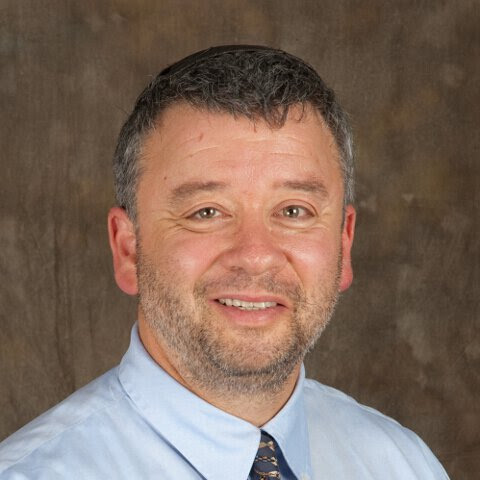
Helpful Doctors: Dr. Fernandez-Miranda

This month the spotlight focuses on Dr. Juan Carlos Fernandez-Miranda, a Professor of Neurosurgery and the Surgical Director of Brain Tumor, Skull Base and Pituitary Centers at Stanford University. Dr. Fernandez-Miranda did a neurosurgery residency at La Paz University Hospital in Madrid, Spain. He completed a fellowship in microsurgical neuroanatomy at the University of Florida. He did clinical training in cerebrovascular surgery at the University of Virginia, and in endoscopic endonasal and open skull base surgery at University of Pittsburgh Medical Center (UPMC). He joined the faculty at Stanford earlier this year. He was kind enough to answer some questions from the PNA. His answers are below:

What inspired you to choose your career path?

When I was a young kid, about 10-11 years old, I got sick with a skin rash and high fever; the family doctor visited our home, carefully examined me, and based on a number of clues, he determined I got a very rare bacterial infection known as scarlet fever; a few days of antibiotic medication and I was back to normal. I now realized that I was fascinated by the wisdom, expertise, and detective attitude of the physician, and this personal event was (I now know) key to my future decision to become a doctor.

As I started medical school, I became deeply interested in the structure of the brain and how it explains brain and perhaps even mind function. I realized that the closest I could get to know the brain was actually as a surgeon operating on it.

I became a neurosurgery resident, and I immediately felt that entering into a patient’s brain, skull base, or pituitary gland was a huge privilege and a unique experience that will require my entire devotion and attention. I learned from my mentors the importance of precise knowledge of surgical neuroanatomy to perform gentle, accurate, and safe surgery. After residency training, I decided to spend 2 entire years in the lab – fully dedicated to mastering the understanding of the complex tridimensional surgical neuroanatomy required to safely and efficiently navigate the brain and skull base. These years, under the guidance of legendary neurosurgeon Albert Rhoton, served as the basis of everything I have accomplished thus far.

I was then fortunate to continue my clinical training at University of Virginia with several giants of neurosurgery, and I was greatly influenced by the meticulous approach of Dr. Ed Oldfield’s pituitary surgeries, particularly for Cushing’s disease. It was such a joy to watch his precise extracapsular tumor resections. At the same time, I had become totally enchanted by the endoscopic endonasal operations that Dr. Amin Kassam was performing at University of Pittsburgh, and after many requests he finally accepted me for specialized training with him and his team. That was a life changing event for me, as my career was about to be centered in the development and refinement of endoscopic endonasal skull base and pituitary surgery.

What is the primary focus of your work/research?

My primary clinical focus is the treatment of patients with pituitary, skull base, and brain tumors. I have particular technical expertise in endoscopic endonasal surgery for pituitary tumors and other skull base lesions, such as craniopharyngiomas, meningiomas, and chordomas, with an accumulated surgical experience of more than 1,000 cases. My clinical practice includes a full range of minimally invasive approaches, in addition to complex open skull base and brain surgery.

My research interests lie in the study of surgical neuroanatomy and the application of innovative techniques into the operating room that aim to improve surgical safety and effectiveness. As an example, along with my fellows, we have recently provided a new compartmental classification of the cavernous sinus that may help improve resection rates of pituitary tumors that invade the cavernous sinus, while preserving cranial nerve function. We have also described the structure of the medial wall of the cavernous sinus and the ligaments that anchor it to the carotid artery, and we have implemented an innovative surgical technique to selectively remove the medial wall of the cavernous sinus; this is extraordinarily important to achieve complete remission in certain functional tumors causing Cushing’s disease or acromegaly, and our results have proven not only the efficacy of this novel technique, but its safety when appropriately performed.

What do you consider to be the future of your field?

There is no doubt that the field is already moving towards multidisciplinary super-specialization, promoting the creation of Pituitary Centers of Excellence that provide dedicated clinical care, research, and education. This favorable trend will facilitate the development of more effective surgical and medical treatments. Pituitary tumors should only be treated by fellowship-trained neurosurgeons in this field at high-volume surgical centers.

In spite of the multiple advances in the treatment of pituitary tumors, we are still in need of further improvement at all levels. From the surgical point of view, the future is on developing better visualization tools and mini-robotic instruments that will allow more effective and less invasive operations. From the imaging point of view, I believe functional imaging, such as PET-MRI, may improve the diagnosis and localization of hormonally active microadenomas with “negative” MRI studies. The future will hopefully bring newer and more effective medical therapies for active and even inactive pituitary tumors.

What should patients know about your field/what deserves more recognition/awareness?

I think the most important message for current and future patients is to make sure they seek the best team around to treat their disease. It is important to emphasize the team approach, because experience, knowledge, and collaboration is critical to obtaining the best outcome. This extends to all members of the team, including not only the neurosurgeon and the endocrinologist, but also ENT, neuro-ophthalmologist, radiation therapist, neuroradiologist, and neuropathologist.

What would you like to convey about yourself to your patients?

I strive to offer my patients the best possible treatment, that combines ultimate surgical and technological applications with compassionate care. I believe in teamwork and I am privileged to work with such a stellar team at Stanford. I have dedicated my life to becoming the best possible surgeon for my patients.

Why did you get involved with the PNA and what is the extent of your involvement?

I have always been fascinated by the diagnosis and treatment of pituitary tumors and pituitary diseases, and I feel extremely fortunate to dedicate a large portion of my practice to helping pituitary patients. My motivations perfectly align with the PNA goals, and this is the main reason I got involved. I have contributed to the education and counseling of patients through the PNA and I hope to continue to do so for the years to come.

Adapted from https://pituitary.org/highlights-enewsletter-child/spotlight-dr-fernandez-miranda/

🦓 Day 7, Cushing’s Awareness Challenge 2022


On Becoming Empowered. Adapted from my blog post Participatory Medicine

This is kind of a “cheat” post since it’s a compilation of other posts, web pages, message board posts and some original thoughts.  I wrote it to submit to Robin’s Grand Rounds, hosted  on her blog.

For all of my early life, I was the good, compliant, patient.  I took whatever pills the doctor prescribed, did whatever tests h/she (most always a he) wrote for.  Believed that whatever he said was the absolute truth.  He had been to med school.  He knew what was wrong with me even though he didn’t live in my body 24/7 and experience what I did.

I know a lot of people are still like this.  Their doctor is like a god to them.  He can do no wrong – even if they don’t feel any better after treatment, even if they feel worse.  “But the doctor said…”

Anyway, I digress.

All this changed for me in 1983.

At first I noticed I’d stopped having my periods and, of course, I thought I was pregnant. I went to my Gynecologist who had no explanation. Lots of women lose their periods for a variety of reasons so no one thought that this was really significant.

Then I got really tired, overly tired. I would take my son to a half hour Choir rehearsal and could not stay awake for the whole time. I would lie down in the back of the van, set an alarm and sleep for the 30 minutes.

A whole raft of other symptoms started appearing – I grew a beard (Hirsuitism), gained weight even though I was on Weight Watchers and working out at the gym nearly every day, lost my period, everything hurt, got what is called a “moon face” and a “buffalo hump” on the back of my neck. I also got stretch marks. I was very depressed but it’s hard to say if that was because of the hormone imbalance or because I felt so bad and no one would listen to me.

I came across a little article in the Ladies Home Journal magazine which said “If you have these symptoms…ask your doctor about Cushing’s”. After that, I started reading everything I could on Cushing’s and asking my doctors. Due to all my reading at the library and medical books I bought, I was sure I had Cushing’s but no one would believe me. Doctors would say that Cushing’s Disease is too rare, that I was making this up and that I couldn’t have it.

I asked doctors for three years – PCP, gynecologist, neurologist, podiatrist – all said the now-famous refrain.  It’s too rare.  You couldn’t have Cushing’s.  I kept persisting in my reading, making copies of library texts even when I didn’t understand them, keeping notes.  I just knew that someone, somewhere would “discover” that I had Cushing’s.

My husband was on the doctors’ sides.  He was sure it was all in my mind (as opposed to all in my head!) and he told me to just think “happy thoughts” and it would all go away.

A Neurologist gave me Xanax. Since he couldn’t see my tumor with his Magnetic Resonance Imaging (MRI) machine there was “no possibility” that it existed. Boy was he wrong!

Later in 1986 I started bruising incredibly easily. I could touch my skin and get a bruise. On New Year’s Day of 1987 I started bleeding under the skin. My husband made circles around the outside perimeter each hour with a marker, like the rings of a tree. When I went to my Internist the next day he was shocked at the size. He now thought I had a blood disorder so he sent me to a Hematologist/Oncologist.

Fortunately, the Hematologist/Oncologist ran a twenty-four hour urine test and really looked at me. Both he and his partner recognized that I had Cushing’s. Of course, he was sure that he did the diagnosis.  No matter that I had been pursuing this with other doctors for 3 years.

It was not yet determined if it was Cushing’s Disease (Pituitary) or Syndrome (Adrenal). However, he couldn’t help me any further so the Hematologist referred me to an Endocrinologist.

The Endocrinologist, of course, didn’t trust the other tests I had had done so I was back to square one. He ran his own multitude of tests. He had to draw blood at certain times like 9 AM. and 5 PM. There was a dexamethasone suppression test where I took a pill at 10 p.m. and gave blood at 9 am the next day. I collected gallons of urine in BIG boxes (Fun in the fridge!). Those were from 6 a.m. to 6 a.m. to be delivered to his office by 9 a.m. same day. I was always worried that I’d be stopped in rush hour and the police would ask about what was in that big container. I think I did those for a week. He also did standard neurological tests and asked lots of questions.

When the endo confirmed that I had Cushing’s in 1987 he sent me to a local hospital where they repeated all those same tests for another week and decided that it was not my adrenal gland (Cushing’s Syndrome) creating the problem. The doctors and nurses had no idea what to do with me, so they put me on the brain cancer ward.

When I left this hospital after a week, we didn’t know any more than we had before.

As luck would have it, NIH (National Institutes of Health, Bethesda, Maryland) was doing a clinical trial of Cushing’s. I live in the same area as NIH so it was not too inconvenient but very scary at first to think of being tested there. At that time I only had a choice of NIH, Mayo Clinic and a place in Quebec to do this then-rare pituitary surgery called a Transsphenoidal Resection. I chose NIH – closest and free. After I was interviewed by the Doctors there, I got a letter that I had been accepted into the clinical trial. The first time I was there was for 6 weeks as an inpatient. More of the same tests.

There were about 12 of us there and it was nice not to be alone with this mystery disease. Many of these Cushies (mostly women) were getting bald, couldn’t walk, having strokes, had diabetes. One was blind, one had a heart attack while I was there. Towards the end of my testing period, I was looking forward to the surgery just to get this whole mess over with. While I was at NIH, I was gaining about a pound a day!

The MRI still showed nothing, so they did a Petrosal Sinus Sampling Test. That scared me more than the prospect of surgery. (This test carries the risk of stroke and uncontrollable bleeding from the incision points.) Catheters were fed from my groin area to my pituitary gland and dye was injected. I could watch the whole procedure on monitors. I could not move during this test or for several hours afterwards to prevent uncontrolable bleeding from a major artery. The test did show where the tumor probably was located. Also done were more sophisticated dexamethasone suppression tests where drugs were administered by IV and blood was drawn every hour (they put a heplock in my arm so they don’t have to keep sticking me). I got to go home for a weekend and then went back for the surgery – the Transsphenoidal Resection. I fully expected to die during surgery (and didn’t care if I did) so I signed my will and wrote last letters to those I wanted to say goodbye to. During the time I was home just before surgery, a college classmate of mine (I didn’t know her) did die at NIH of a Cushing’s-related problem. I’m so glad I didn’t find out until a couple months later!

November 3, 1987, the surgeon, Dr. Ed Oldfield, cut the gum above my front teeth under my upper lip so there is no scar. He used tiny tools and microscopes. My tumor was removed successfully. In some cases (not mine) the surgeon uses a plug of fat from the abdomen to help seal the cut. Afterwards, I was in intensive care overnight and went to a neurology ward for a few days until I could walk without being dizzy. I had some major headaches for a day or two but they gave me drugs (morphine) for those. Also, I had cotton plugs in my nostrils. It was a big day when they came out. I had diabetes insipidus (DI) for a little while, but that went away by itself – thank goodness!

I had to use a foam product called “Toothies” to brush my teeth without hitting the incision. Before they let me go home, I had to learn to give myself an injection in my thigh. They sent me home with a supply of injectible cortisone in case my level ever fell too low (it didn’t). I was weaned gradually off cortisone pills (scary). I now take no medications. I had to get a Medic Alert bracelet. I will always need to tell medical staff when I have any kind of procedure – the effects of my excess cortisone will remain forever.

I went back to the NIH for several follow-up visits of a week each where they did all the blood and urine testing again. After a few years NIH set me free. Now I go to my “outside” endocrinologist every year for the dexamethasone suppression test, 24-hour urine and regular blood testing.

As I get further away from my surgery, I have less and less chance that my tumor will grow back. I have never lost all the weight I gained and I still have the hair on my chin but most of my other symptoms are gone. I am still and always tired and need a nap most days. I do not, however, still need to take whole days off just to sleep.

I consider myself very lucky that I was treated before I got as bad as some of the others on my floor at NIH but think it is crazy that these symptoms are not taken seriously by doctors.

My story goes on and if you’re interested some is on this blog and some is here:

Forbes Magazine | MaryO’s bio | Cushing’s and Cancer Blog | Guest Speakers | Interview Archive  1/3/08 | Cushing’s Awareness Day Testimonial Archive |

Because of this experience in getting a Cushing’s diagnosis – and later, a prescription for growth hormone – I was concerned that there were probably other people not being diagnosed with Cushing’s. When I searched online for Cushing’s, all the sites that came up were for dogs and horses with Cushing’s.  Not what I was looking for!

In July of 2000, I was talking with my dear friend Alice, who ran a wonderful menopause site, Power Surge, wondering why there weren’t many support groups online (OR off!) for Cushing’s.  This thought percolated through my mind for a few hours and I realized that maybe this was my calling.  Maybe I should be the one to start a network of support for other “Cushies” to help them empower themselves.

I wanted to educate others about the awful disease that took doctors years of my life to diagnose and treat – even after I gave them the information to diagnose me.  I didn’t want anyone else to suffer for years like I did.  I wanted doctors to pay more attention to Cushing’s disease.

The first website (http://www.cushings-help.com) went “live” July 21, 2000.  It was just a single page of information. The message boards began September 30, 2000 with a simple message board which then led to a larger one, and a larger.  Today, in 2022, we have over 73 thousand members and many others on Facebook.  Some “rare disease”!

People are becoming more empowered and participating in their own diagnoses, testing and treatment.  This have changed a lot since 1983!

When I had my Cushing’s over 30 years ago, I never thought that I would meet another Cushing’s patient in real life or online. Back then, I’d never even been aware that there was anything like an “online”. I’m so glad that people struggling with Cushing’s today don’t have to suffer anymore thinking that they’re the only one who deals with this.

Because of my work on the websites – and, believe me it is a ton of work! – I have had the honor of meeting over a hundred other Cushies personally at local meetings, conferences, at NIH (the National Institutes of Health in Bethesda, MD where I had my final diagnosis and surgery). It occurred to me once that this is probably more than most endocrinologists will ever see in their entire career. I’ve also talked to countless others on the phone. Amazing for a “rare” disease!

I don’t know what pushed me in 1983, how I got the confidence and self-empowerment to challenge these doctors and their non-diagnoses over the years.  I’m glad that I didn’t suffer any longer than I did and I’m glad that I have a role in helping others to find the medical help that they need.

What do *YOU* think?  How are you becoming empowered?


🦓 Day 7, Cushing’s Awareness Challenge 2020


On Becoming Empowered. Adapted from my blog post Participatory Medicine

The Society for Participatory Medicine - MemberThis is kind of a “cheat” post since it’s a compilation of other posts, web pages, message board posts and some original thoughts.  I wrote it to submit to Robin’s Grand Rounds, hosted  on her blog.

For all of my early life, I was the good, compliant, patient.  I took whatever pills the doctor prescribed, did whatever tests h/she (most always a he) wrote for.  Believed that whatever he said was the absolute truth.  He had been to med school.  He knew what was wrong with me even though he didn’t live in my body 24/7 and experience what I did.

I know a lot of people are still like this.  Their doctor is like a god to them.  He can do no wrong – even if they don’t feel any better after treatment, even if they feel worse.  “But the doctor said…”

Anyway, I digress.

All this changed for me in 1983.

At first I noticed I’d stopped having my periods and, of course, I thought I was pregnant. I went to my Gynecologist who had no explanation. Lots of women lose their periods for a variety of reasons so no one thought that this was really significant.

Then I got really tired, overly tired. I would take my son to a half hour Choir rehearsal and could not stay awake for the whole time. I would lie down in the back of the van, set an alarm and sleep for the 30 minutes.

A whole raft of other symptoms started appearing – I grew a beard (Hirsuitism), gained weight even though I was on Weight Watchers and working out at the gym nearly every day, lost my period, everything hurt, got what is called a “moon face” and a “buffalo hump” on the back of my neck. I also got stretch marks. I was very depressed but it’s hard to say if that was because of the hormone imbalance or because I felt so bad and no one would listen to me.

I came across a little article in the Ladies Home Journal magazine which said “If you have these symptoms…ask your doctor about Cushing’s”. After that, I started reading everything I could on Cushing’s and asking my doctors. Due to all my reading at the library and medical books I bought, I was sure I had Cushing’s but no one would believe me. Doctors would say that Cushing’s Disease is too rare, that I was making this up and that I couldn’t have it.

I asked doctors for three years – PCP, gynecologist, neurologist, podiatrist – all said the now-famous refrain.  It’s too rare.  You couldn’t have Cushing’s.  I kept persisting in my reading, making copies of library texts even when I didn’t understand them, keeping notes.  I just knew that someone, somewhere would “discover” that I had Cushing’s.

My husband was on the doctors’ sides.  He was sure it was all in my mind (as opposed to all in my head!) and he told me to just think “happy thoughts” and it would all go away.

A Neurologist gave me Xanax. Since he couldn’t see my tumor with his Magnetic Resonance Imaging (MRI) machine there was “no possibility” that it existed. Boy was he wrong!

Later in 1986 I started bruising incredibly easily. I could touch my skin and get a bruise. On New Year’s Day of 1987 I started bleeding under the skin. My husband made circles around the outside perimeter each hour with a marker, like the rings of a tree. When I went to my Internist the next day he was shocked at the size. He now thought I had a blood disorder so he sent me to a Hematologist/Oncologist.

Fortunately, the Hematologist/Oncologist ran a twenty-four hour urine test and really looked at me. Both he and his partner recognized that I had Cushing’s. Of course, he was sure that he did the diagnosis.  No matter that I had been pursuing this with other doctors for 3 years.

It was not yet determined if it was Cushing’s Disease (Pituitary) or Syndrome (Adrenal). However, he couldn’t help me any further so the Hematologist referred me to an Endocrinologist.

The Endocrinologist, of course, didn’t trust the other tests I had had done so I was back to square one. He ran his own multitude of tests. He had to draw blood at certain times like 9 AM. and 5 PM. There was a dexamethasone suppression test where I took a pill at 10 p.m. and gave blood at 9 am the next day. I collected gallons of urine in BIG boxes (Fun in the fridge!). Those were from 6 a.m. to 6 a.m. to be delivered to his office by 9 a.m. same day. I was always worried that I’d be stopped in rush hour and the police would ask about what was in that big container. I think I did those for a week. He also did standard neurological tests and asked lots of questions.

When the endo confirmed that I had Cushing’s in 1987 he sent me to a local hospital where they repeated all those same tests for another week and decided that it was not my adrenal gland (Cushing’s Syndrome) creating the problem. The doctors and nurses had no idea what to do with me, so they put me on the brain cancer ward.

When I left this hospital after a week, we didn’t know any more than we had before.

As luck would have it, NIH (National Institutes of Health, Bethesda, Maryland) was doing a clinical trial of Cushing’s. I live in the same area as NIH so it was not too inconvenient but very scary at first to think of being tested there. At that time I only had a choice of NIH, Mayo Clinic and a place in Quebec to do this then-rare pituitary surgery called a Transsphenoidal Resection. I chose NIH – closest and free. After I was interviewed by the Doctors there, I got a letter that I had been accepted into the clinical trial. The first time I was there was for 6 weeks as an inpatient. More of the same tests.

There were about 12 of us there and it was nice not to be alone with this mystery disease. Many of these Cushies (mostly women) were getting bald, couldn’t walk, having strokes, had diabetes. One was blind, one had a heart attack while I was there. Towards the end of my testing period, I was looking forward to the surgery just to get this whole mess over with. While I was at NIH, I was gaining about a pound a day!

The MRI still showed nothing, so they did a Petrosal Sinus Sampling Test. That scared me more than the prospect of surgery. (This test carries the risk of stroke and uncontrollable bleeding from the incision points.) Catheters were fed from my groin area to my pituitary gland and dye was injected. I could watch the whole procedure on monitors. I could not move during this test or for several hours afterwards to prevent uncontrolable bleeding from a major artery. The test did show where the tumor probably was located. Also done were more sophisticated dexamethasone suppression tests where drugs were administered by IV and blood was drawn every hour (they put a heplock in my arm so they don’t have to keep sticking me). I got to go home for a weekend and then went back for the surgery – the Transsphenoidal Resection. I fully expected to die during surgery (and didn’t care if I did) so I signed my will and wrote last letters to those I wanted to say goodbye to. During the time I was home just before surgery, a college classmate of mine (I didn’t know her) did die at NIH of a Cushing’s-related problem. I’m so glad I didn’t find out until a couple months later!

November 3, 1987, the surgeon, Dr. Ed Oldfield, cut the gum above my front teeth under my upper lip so there is no scar. He used tiny tools and microscopes. My tumor was removed successfully. In some cases (not mine) the surgeon uses a plug of fat from the abdomen to help seal the cut. Afterwards, I was in intensive care overnight and went to a neurology ward for a few days until I could walk without being dizzy. I had some major headaches for a day or two but they gave me drugs (morphine) for those. Also, I had cotton plugs in my nostrils. It was a big day when they came out. I had diabetes insipidus (DI) for a little while, but that went away by itself – thank goodness!

I had to use a foam product called “Toothies” to brush my teeth without hitting the incision. Before they let me go home, I had to learn to give myself an injection in my thigh. They sent me home with a supply of injectible cortisone in case my level ever fell too low (it didn’t). I was weaned gradually off cortisone pills (scary). I now take no medications. I had to get a Medic Alert bracelet. I will always need to tell medical staff when I have any kind of procedure – the effects of my excess cortisone will remain forever.

I went back to the NIH for several follow-up visits of a week each where they did all the blood and urine testing again. After a few years NIH set me free. Now I go to my “outside” endocrinologist every year for the dexamethasone suppression test, 24-hour urine and regular blood testing.

As I get further away from my surgery, I have less and less chance that my tumor will grow back. I have never lost all the weight I gained and I still have the hair on my chin but most of my other symptoms are gone. I am still and always tired and need a nap most days. I do not, however, still need to take whole days off just to sleep.

I consider myself very lucky that I was treated before I got as bad as some of the others on my floor at NIH but think it is crazy that these symptoms are not taken seriously by doctors.

My story goes on and if you’re interested some is on this blog and some is here:

Forbes Magazine | MaryO’s bio | Cushing’s and Cancer Blog | Guest Speakers | Interview Archive  1/3/08 | Cushing’s Awareness Day Testimonial Archive |

Because of this experience in getting a Cushing’s diagnosis – and later, a prescription for growth hormone – I was concerned that there were probably other people not being diagnosed with Cushing’s. When I searched online for Cushing’s, all the sites that came up were for dogs and horses with Cushing’s.  Not what I was looking for!

In July of 2000, I was talking with my dear friend Alice, who ran a wonderful menopause site, Power Surge, wondering why there weren’t many support groups online (OR off!) for Cushing’s.  This thought percolated through my mind for a few hours and I realized that maybe this was my calling.  Maybe I should be the one to start a network of support for other “Cushies” to help them empower themselves.

I wanted to educate others about the awful disease that took doctors years of my life to diagnose and treat – even after I gave them the information to diagnose me.  I didn’t want anyone else to suffer for years like I did.  I wanted doctors to pay more attention to Cushing’s disease.

The first website (http://www.cushings-help.com) went “live” July 21, 2000.  It was just a single page of information. The message boards began September 30, 2000 with a simple message board which then led to a larger one, and a larger.  Today, in 2020, we have over 12 thousand members and many others on Facebook.  Some “rare disease”!

People are becoming more empowered and participating in their own diagnoses, testing and treatment.  This have changed a lot since 1983!

When I had my Cushing’s over 30 years ago, I never thought that I would meet another Cushing’s patient in real life or online. Back then, I’d never even been aware that there was anything like an “online”. I’m so glad that people struggling with Cushing’s today don’t have to suffer anymore thinking that they’re the only one who deals with this.

Because of my work on the websites – and, believe me it is a ton of work! – I have had the honor of meeting over a hundred other Cushies personally at local meetings, conferences, at NIH (the National Institutes of Health in Bethesda, MD where I had my final diagnosis and surgery). It occurred to me once that this is probably more than most endocrinologists will ever see in their entire career. I’ve also talked to countless others on the phone. Amazing for a “rare” disease!

I don’t know what pushed me in 1983, how I got the confidence and self-empowerment to challenge these doctors and their non-diagnoses over the years.  I’m glad that I didn’t suffer any longer than I did and I’m glad that I have a role in helping others to find the medical help that they need.

What do *YOU* think?  How are you becoming empowered?

📞 Webinar: Approaches for Pituitary Surgery

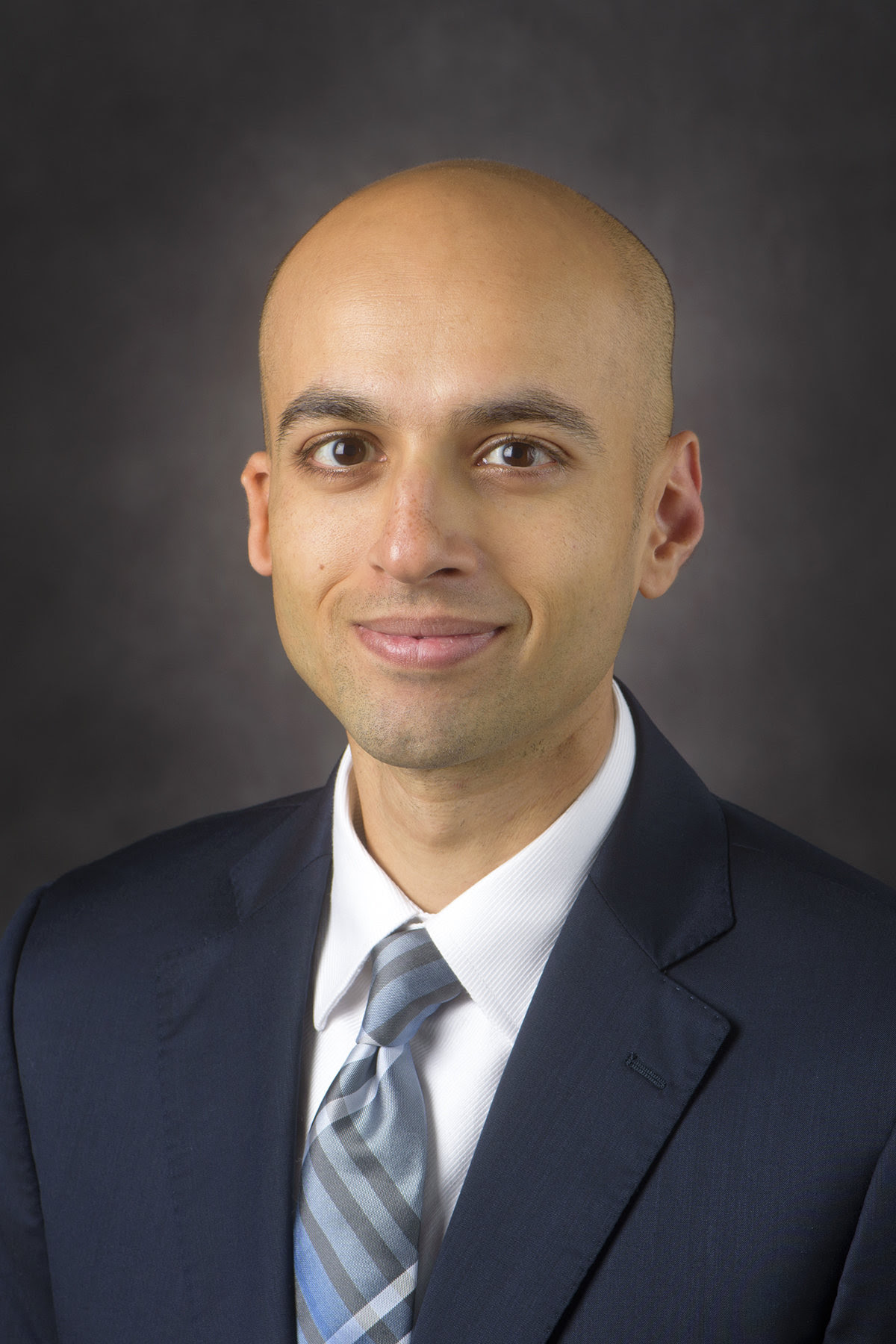
Dr. Theodore Friedman hosts Gautam Mehta, MD for a fascinating webinar on Approaches for Pituitary Surgery

Dr. Mehta is a neurosurgeon specializing in pituitary surgery at the House Clinic in Los Angeles. He was trained by Ian McCutcheon, MD and Ed Oldfield, MD

Topics to be discussed include:
• How does Dr. Friedman diagnose Cushing’s Disease
• How does Dr. Friedman determine who goes to surgery?
• What type of patients need surgery besides those with Cushing’s Disease?
• How do the neurosurgeon and the Endocrinologist work together?
• How does the neurosurgeon read pituitary MRIs?
• What types of surgical approaches are used for pituitary surgery?
• How long does surgery take and how long will a patient be in the hospital?
• What are the risks of pituitary surgery and how can they be minimized?

Sunday • August 4 • 6 PM PDT

Click here to start your meeting.

or
https://axisconciergemeetings.webex.com/axisconciergemeetings/j.php?MTID=ma1d8d5ef99605e305980e2f7cdfdb7bd
OR
Join by phone: (855) 797-9485
Meeting Number (Access Code): 807 028 597 Your phone/computer will be muted on entry.
Slides will be available on the day of the talk at slides 
There will be plenty of time for questions using the chat button. Meeting Password: hormones
For more information, email us at mail@goodhormonehealth.com

🦓 Day 29: Cushing’s Awareness Challenge 2019

On Becoming Empowered. Adapted from my blog post Participatory Medicine

The Society for Participatory Medicine - MemberThis is kind of a “cheat” post since it’s a compilation of other posts, web pages, message board posts and some original thoughts.  I wrote it to submit to Robin’s Grand Rounds, hosted on her blog.

For all of my early life, I was the good, compliant, patient.  I took whatever pills the doctor prescribed, did whatever tests h/she (most always a he) wrote for.  Believed that whatever he said was the absolute truth.  He had been to med school.  He knew what was wrong with me even though he didn’t live in my body 24/7 and experience what I did.

I know a lot of people are still like this.  Their doctor is like a god to them.  He can do no wrong – even if they don’t feel any better after treatment, even if they feel worse.  “But the doctor said…”

Anyway, I digress.

All this changed for me in 1983.

At first I noticed I’d stopped having my periods and, of course, I thought I was pregnant. I went to my Gynaecologist who had no explanation. Lots of women lose their periods for a variety of reasons so no one thought that this was really significant.

Then I got really tired, overly tired. I would take my son to a half hour Choir rehearsal and could not stay awake for the whole time. I would lie down in the back of the van, set an alarm and sleep for the 30 minutes.

A whole raft of other symptoms started appearing – I grew a beard (Hirsutism), gained weight even though I was on Weight Watchers and working out at the gym nearly every day, lost my period, everything hurt, got what is called a “moon face” and a “buffalo hump” on the back of my neck. I also got stretch marks. I was very depressed but it’s hard to say if that was because of the hormone imbalance or because I felt so bad and no one would listen to me.

I came across a little article in the Ladies Home Journal magazine which said: “If you have these symptoms…ask your doctor about Cushing’s”. After that, I started reading everything I could on Cushing’s and asking my doctors. Due to all my reading at the library and medical books I bought, I was sure I had Cushing’s but no one would believe me. Doctors would say that Cushing’s Disease is too rare, that I was making this up and that I couldn’t have it.

I asked doctors for three years – PCP, gynecologist, neurologist, podiatrist – all said the now-famous refrain.  It’s too rare.  You couldn’t have Cushing’s.  I kept persisting in my reading, making copies of library texts even when I didn’t understand them, keeping notes.  I just knew that someone, somewhere would “discover” that I had Cushing’s.

My husband was on the doctors’ sides.  He was sure it was all in my mind (as opposed to all in my head!) and he told me to just think “happy thoughts” and it would all go away.

A Neurologist gave me Xanax. Since he couldn’t see my tumor with his Magnetic Resonance Imaging (MRI) machine there was “no possibility” that it existed. Boy was he wrong!

Later in 1986, I started bruising incredibly easily. I could touch my skin and get a bruise. On New Year’s Day of 1987, I started bleeding under the skin. My husband made circles around the outside perimeter each hour with a marker, like the rings of a tree. When I went to my Internist the next day he was shocked at the size. He now thought I had a blood disorder so he sent me to a Hematologist/Oncologist.

Fortunately, the Hematologist/Oncologist ran a twenty-four-hour urine test and really looked at me. Both he and his partner recognized that I had Cushing’s. Of course, he was sure that he did the diagnosis.  No matter that I had been pursuing this with other doctors for 3 years.

It was not yet determined if it was Cushing’s Disease (Pituitary) or Syndrome (Adrenal). However, he couldn’t help me any further so the Hematologist referred me to an Endocrinologist.

The Endocrinologist, of course, didn’t trust the other tests I had done so I was back to square one. He ran his own multitude of tests. He had to draw blood at certain times like 9 AM. and 5 PM. There was a dexamethasone suppression test where I took a pill at 10 p.m. and gave blood at 9 am the next day. I collected gallons of urine in BIG boxes (Fun in the fridge!). Those were from 6 a.m. to 6 a.m. to be delivered to his office by 9 a.m. same day. I was always worried that I’d be stopped in rush hour and the police would ask about what was in that big container. I think I did those for a week. He also did standard neurological tests and asked lots of questions.

When the endo confirmed that I had Cushing’s in 1987 he sent me to a local hospital where they repeated all those same tests for another week and decided that it was not my adrenal gland (Cushing’s Syndrome) creating the problem. The doctors and nurses had no idea what to do with me, so they put me on the brain cancer ward.

When I left this hospital after a week, we didn’t know any more than we had before.

As luck would have it, NIH (National Institutes of Health, Bethesda, Maryland) was doing a clinical trial of Cushing’s. I live in the same area as NIH so it was not too inconvenient but very scary at first to think of being tested there. At that time I only had a choice of NIH, Mayo Clinic and a place in Quebec to do this then-rare pituitary surgery called a Transsphenoidal Resection. I chose NIH – closest and free. After I was interviewed by the Doctors there, I got a letter that I had been accepted into the clinical trial. The first time I was there was for 6 weeks as an inpatient. More of the same tests.

There were about 12 of us there and it was nice not to be alone with this mystery disease. Many of these Cushies (mostly women) were getting bald, couldn’t walk, having strokes, had diabetes. One was blind, one had a heart attack while I was there. Towards the end of my testing period, I was looking forward to the surgery just to get this whole mess over with. While I was at NIH, I was gaining about a pound a day!

The MRI still showed nothing, so they did a Petrosal Sinus Sampling Test. That scared me more than the prospect of surgery. (This test carries the risk of stroke and uncontrollable bleeding from the incision points.) Catheters were fed from my groin area to my pituitary gland and dye was injected. I could watch the whole procedure on monitors. I could not move during this test or for several hours afterwards to prevent uncontrollable bleeding from a major artery. The test did show where the tumor probably was located. Also done were more sophisticated dexamethasone suppression tests where drugs were administered by IV and blood was drawn every hour (they put a heplock in my arm so they don’t have to keep sticking me). I got to go home for a weekend and then went back for the surgery – the Transsphenoidal Resection. I fully expected to die during surgery (and didn’t care if I did) so I signed my will and wrote last letters to those I wanted to say goodbye to. During the time I was home just before surgery, a college classmate of mine (I didn’t know her) did die at NIH of a Cushing’s-related problem. I’m so glad I didn’t find out until a couple months later!

November 3, 1987, the surgeon, Dr. Ed Oldfield, cut the gum above my front teeth under my upper lip so there is no scar. He used tiny tools and microscopes. My tumor was removed successfully. In some cases (not mine) the surgeon uses a plug of fat from the abdomen to help seal the cut. Afterwards, I was in intensive care overnight and went to a neurology ward for a few days until I could walk without being dizzy. I had some major headaches for a day or two but they gave me drugs (morphine) for those. Also, I had cotton plugs in my nostrils. It was a big day when they came out. I had diabetes insipidus (DI) for a little while, but that went away by itself – thank goodness!

I had to use a foam product called “Toothies” to brush my teeth without hitting the incision. Before they let me go home, I had to learn to give myself an injection in my thigh. They sent me home with a supply of injectable cortisone in case my level ever fell too low (it didn’t). I was weaned gradually off cortisone pills (scary). I now take no medications. I had to get a Medic Alert bracelet. I will always need to tell medical staff when I have any kind of procedure – the effects of my excess cortisone will remain forever.

I went back to the NIH for several follow-up visits of a week each where they did all the blood and urine testing again. After a few years NIH set me free. Now I go to my “outside” endocrinologist every year for the dexamethasone suppression test, 24-hour urine and regular blood testing.

As I get further away from my surgery, I have less and less chance that my tumor will grow back. I have never lost all the weight I gained and I still have the hair on my chin but most of my other symptoms are gone. I am still and always tired and need a nap most days. I do not, however, still need to take whole days off just to sleep.

I consider myself very lucky that I was treated before I got as bad as some of the others on my floor at NIH but think it is crazy that these symptoms are not taken seriously by doctors.

My story goes on and if you’re interested some is on this blog and some is here:

Forbes Magazine | MaryO’s bio | Cushing’s and Cancer Blog | Guest Speakers | Interview Archive  1/3/08 | Cushing’s Awareness Day Testimonial Archive |

Because of this experience in getting a Cushing’s diagnosis – and later, a prescription for growth hormone – I was concerned that there were probably other people not being diagnosed with Cushing’s. When I searched online for Cushing’s, all the sites that came up were for dogs and horses with Cushing’s.  Not what I was looking for!

In July of 2000, I was talking with my dear friend Alice, who ran a wonderful menopause site, Power Surge, wondering why there weren’t many support groups online (OR off!) for Cushing’s.  This thought percolated through my mind for a few hours and I realized that maybe this was my calling.  Maybe I should be the one to start a network of support for other “Cushies” to help them empower themselves.

I wanted to educate others about the awful disease that took doctors years of my life to diagnose and treat – even after I gave them the information to diagnose me.  I didn’t want anyone else to suffer for years like I did.  I wanted doctors to pay more attention to Cushing’s disease.

The first website (http://www.cushings-help.com) went “live” July 21, 2000.  It was just a single page of information. The message boards began September 30, 2000 with a simple message board which then led to a larger one, and a larger.  Today, in 2018, we have over 12 thousand members and many others on Facebook.  Some “rare disease”!

The message boards are now very active and we have online text chats, occasional live interviews, local meetings, conferences, email newsletters, a clothing exchange, a Cushing’s Awareness Day Forum, podcasts, phone support and much more. Because I wanted to spread the word to others not on “the boards” we have extended out to social networking sites – twitter groups, facebook groups, interviews, websites, chat groups, LinkedIn, Tumblr, Pinterest and much, much more.

People are becoming more empowered and participating in their own diagnoses, testing and treatment.  This has changed a lot since 1983!

When I had my Cushing’s over 31 years ago, I never thought that I would meet another Cushing’s patient in real life or online. Back then, I’d never even been aware that there was anything like an “online”. I’m so glad that people struggling with Cushing’s today don’t have to suffer anymore thinking that they’re the only one who deals with this.

Because of my work on the websites – and, believe me it is a ton of work! – I have had the honor of meeting over a hundred other Cushies personally at local meetings, conferences, at NIH (the National Institutes of Health in Bethesda, MD where I had my final diagnosis and surgery). It occurred to me once that this is probably more than most endocrinologists will ever see in their entire career. I’ve also talked to countless others on the phone. Amazing for a “rare” disease!

I don’t know what pushed me in 1983, how I got the confidence and self-empowerment to challenge these doctors and their non-diagnoses over the years.  I’m glad that I didn’t suffer any longer than I did and I’m glad that I have a role in helping others to find the medical help that they need.

What do *YOU* think?  How are you becoming empowered?


🦓 Day 4: Cushing’s Awareness Challenge 2018

On Becoming Empowered. Adapted from my blog post Participatory Medicine

The Society for Participatory Medicine - MemberThis is kind of a “cheat” post since it’s a compilation of other posts, web pages, message board posts and some original thoughts.  I wrote it to submit to Robin’s Grand Rounds, hosted on her blog.

For all of my early life, I was the good, compliant, patient.  I took whatever pills the doctor prescribed, did whatever tests h/she (most always a he) wrote for.  Believed that whatever he said was the absolute truth.  He had been to med school.  He knew what was wrong with me even though he didn’t live in my body 24/7 and experience what I did.

I know a lot of people are still like this.  Their doctor is like a god to them.  He can do no wrong – even if they don’t feel any better after treatment, even if they feel worse.  “But the doctor said…”

Anyway, I digress.

All this changed for me in 1983.

At first I noticed I’d stopped having my periods and, of course, I thought I was pregnant. I went to my Gynaecologist who had no explanation. Lots of women lose their periods for a variety of reasons so no one thought that this was really significant.

Then I got really tired, overly tired. I would take my son to a half hour Choir rehearsal and could not stay awake for the whole time. I would lie down in the back of the van, set an alarm and sleep for the 30 minutes.

A whole raft of other symptoms started appearing – I grew a beard (Hirsutism), gained weight even though I was on Weight Watchers and working out at the gym nearly every day, lost my period, everything hurt, got what is called a “moon face” and a “buffalo hump” on the back of my neck. I also got stretch marks. I was very depressed but it’s hard to say if that was because of the hormone imbalance or because I felt so bad and no one would listen to me.

I came across a little article in the Ladies Home Journal magazine which said: “If you have these symptoms…ask your doctor about Cushing’s”. After that, I started reading everything I could on Cushing’s and asking my doctors. Due to all my reading at the library and medical books I bought, I was sure I had Cushing’s but no one would believe me. Doctors would say that Cushing’s Disease is too rare, that I was making this up and that I couldn’t have it.

I asked doctors for three years – PCP, gynecologist, neurologist, podiatrist – all said the now-famous refrain.  It’s too rare.  You couldn’t have Cushing’s.  I kept persisting in my reading, making copies of library texts even when I didn’t understand them, keeping notes.  I just knew that someone, somewhere would “discover” that I had Cushing’s.

My husband was on the doctors’ sides.  He was sure it was all in my mind (as opposed to all in my head!) and he told me to just think “happy thoughts” and it would all go away.

A Neurologist gave me Xanax. Since he couldn’t see my tumor with his Magnetic Resonance Imaging (MRI) machine there was “no possibility” that it existed. Boy was he wrong!

Later in 1986, I started bruising incredibly easily. I could touch my skin and get a bruise. On New Year’s Day of 1987, I started bleeding under the skin. My husband made circles around the outside perimeter each hour with a marker, like the rings of a tree. When I went to my Internist the next day he was shocked at the size. He now thought I had a blood disorder so he sent me to a Hematologist/Oncologist.

Fortunately, the Hematologist/Oncologist ran a twenty-four-hour urine test and really looked at me. Both he and his partner recognized that I had Cushing’s. Of course, he was sure that he did the diagnosis.  No matter that I had been pursuing this with other doctors for 3 years.

It was not yet determined if it was Cushing’s Disease (Pituitary) or Syndrome (Adrenal). However, he couldn’t help me any further so the Hematologist referred me to an Endocrinologist.

The Endocrinologist, of course, didn’t trust the other tests I had done so I was back to square one. He ran his own multitude of tests. He had to draw blood at certain times like 9 AM. and 5 PM. There was a dexamethasone suppression test where I took a pill at 10 p.m. and gave blood at 9 am the next day. I collected gallons of urine in BIG boxes (Fun in the fridge!). Those were from 6 a.m. to 6 a.m. to be delivered to his office by 9 a.m. same day. I was always worried that I’d be stopped in rush hour and the police would ask about what was in that big container. I think I did those for a week. He also did standard neurological tests and asked lots of questions.

When the endo confirmed that I had Cushing’s in 1987 he sent me to a local hospital where they repeated all those same tests for another week and decided that it was not my adrenal gland (Cushing’s Syndrome) creating the problem. The doctors and nurses had no idea what to do with me, so they put me on the brain cancer ward.

When I left this hospital after a week, we didn’t know any more than we had before.

As luck would have it, NIH (National Institutes of Health, Bethesda, Maryland) was doing a clinical trial of Cushing’s. I live in the same area as NIH so it was not too inconvenient but very scary at first to think of being tested there. At that time I only had a choice of NIH, Mayo Clinic and a place in Quebec to do this then-rare pituitary surgery called a Transsphenoidal Resection. I chose NIH – closest and free. After I was interviewed by the Doctors there, I got a letter that I had been accepted into the clinical trial. The first time I was there was for 6 weeks as an inpatient. More of the same tests.

There were about 12 of us there and it was nice not to be alone with this mystery disease. Many of these Cushies (mostly women) were getting bald, couldn’t walk, having strokes, had diabetes. One was blind, one had a heart attack while I was there. Towards the end of my testing period, I was looking forward to the surgery just to get this whole mess over with. While I was at NIH, I was gaining about a pound a day!

The MRI still showed nothing, so they did a Petrosal Sinus Sampling Test. That scared me more than the prospect of surgery. (This test carries the risk of stroke and uncontrollable bleeding from the incision points.) Catheters were fed from my groin area to my pituitary gland and dye was injected. I could watch the whole procedure on monitors. I could not move during this test or for several hours afterwards to prevent uncontrollable bleeding from a major artery. The test did show where the tumor probably was located. Also done were more sophisticated dexamethasone suppression tests where drugs were administered by IV and blood was drawn every hour (they put a heplock in my arm so they don’t have to keep sticking me). I got to go home for a weekend and then went back for the surgery – the Transsphenoidal Resection. I fully expected to die during surgery (and didn’t care if I did) so I signed my will and wrote last letters to those I wanted to say goodbye to. During the time I was home just before surgery, a college classmate of mine (I didn’t know her) did die at NIH of a Cushing’s-related problem. I’m so glad I didn’t find out until a couple months later!

November 3, 1987, the surgeon, Dr. Ed Oldfield, cut the gum above my front teeth under my upper lip so there is no scar. He used tiny tools and microscopes. My tumor was removed successfully. In some cases (not mine) the surgeon uses a plug of fat from the abdomen to help seal the cut. Afterwards, I was in intensive care overnight and went to a neurology ward for a few days until I could walk without being dizzy. I had some major headaches for a day or two but they gave me drugs (morphine) for those. Also, I had cotton plugs in my nostrils. It was a big day when they came out. I had diabetes insipidus (DI) for a little while, but that went away by itself – thank goodness!

I had to use a foam product called “Toothies” to brush my teeth without hitting the incision. Before they let me go home, I had to learn to give myself an injection in my thigh. They sent me home with a supply of injectable cortisone in case my level ever fell too low (it didn’t). I was weaned gradually off cortisone pills (scary). I now take no medications. I had to get a Medic Alert bracelet. I will always need to tell medical staff when I have any kind of procedure – the effects of my excess cortisone will remain forever.

I went back to the NIH for several follow-up visits of a week each where they did all the blood and urine testing again. After a few years NIH set me free. Now I go to my “outside” endocrinologist every year for the dexamethasone suppression test, 24-hour urine and regular blood testing.

As I get further away from my surgery, I have less and less chance that my tumor will grow back. I have never lost all the weight I gained and I still have the hair on my chin but most of my other symptoms are gone. I am still and always tired and need a nap most days. I do not, however, still need to take whole days off just to sleep.

I consider myself very lucky that I was treated before I got as bad as some of the others on my floor at NIH but think it is crazy that these symptoms are not taken seriously by doctors.

My story goes on and if you’re interested some is on this blog and some is here:

Forbes Magazine | MaryO’s bio | Cushing’s and Cancer Blog | Guest Speakers | Interview Archive  1/3/08 | Cushing’s Awareness Day Testimonial Archive |

Because of this experience in getting a Cushing’s diagnosis – and later, a prescription for growth hormone – I was concerned that there were probably other people not being diagnosed with Cushing’s. When I searched online for Cushing’s, all the sites that came up were for dogs and horses with Cushing’s.  Not what I was looking for!

In July of 2000, I was talking with my dear friend Alice, who ran a wonderful menopause site, Power Surge, wondering why there weren’t many support groups online (OR off!) for Cushing’s.  This thought percolated through my mind for a few hours and I realized that maybe this was my calling.  Maybe I should be the one to start a network of support for other “Cushies” to help them empower themselves.

I wanted to educate others about the awful disease that took doctors years of my life to diagnose and treat – even after I gave them the information to diagnose me.  I didn’t want anyone else to suffer for years like I did.  I wanted doctors to pay more attention to Cushing’s disease.

The first website (http://www.cushings-help.com) went “live” July 21, 2000.  It was just a single page of information. The message boards began September 30, 2000 with a simple message board which then led to a larger one, and a larger.  Today, in 2018, we have over 12 thousand members and many others on Facebook.  Some “rare disease”!

The message boards are now very active and we have online text chats, occasional live interviews, local meetings, conferences, email newsletters, a clothing exchange, a Cushing’s Awareness Day Forum, podcasts, phone support and much more. Because I wanted to spread the word to others not on “the boards” we have extended out to social networking sites – twitter groups, facebook groups, interviews, websites, chat groups, LinkedIn, Tumblr, Pinterest and much, much more.

People are becoming more empowered and participating in their own diagnoses, testing and treatment.  This has changed a lot since 1983!

When I had my Cushing’s over 31 years ago, I never thought that I would meet another Cushing’s patient in real life or online. Back then, I’d never even been aware that there was anything like an “online”. I’m so glad that people struggling with Cushing’s today don’t have to suffer anymore thinking that they’re the only one who deals with this.

Because of my work on the websites – and, believe me it is a ton of work! – I have had the honor of meeting over a hundred other Cushies personally at local meetings, conferences, at NIH (the National Institutes of Health in Bethesda, MD where I had my final diagnosis and surgery). It occurred to me once that this is probably more than most endocrinologists will ever see in their entire career. I’ve also talked to countless others on the phone. Amazing for a “rare” disease!

I don’t know what pushed me in 1983, how I got the confidence and self-empowerment to challenge these doctors and their non-diagnoses over the years.  I’m glad that I didn’t suffer any longer than I did and I’m glad that I have a role in helping others to find the medical help that they need.

What do *YOU* think?  How are you becoming empowered?

Day 6: Cushing’s Awareness Challenge 2017

On Becoming Empowered. Adapted from my blog post Participatory Medicine

The Society for Participatory Medicine - MemberThis is kind of a “cheat” post since it’s a compilation of other posts, web pages, message board posts and some original thoughts.  I wrote it to submit to Robin’s Grand Rounds, hosted  on her blog.

For all of my early life, I was the good, compliant, patient.  I took whatever pills the doctor prescribed, did whatever tests h/she (most always a he) wrote for.  Believed that whatever he said was the absolute truth.  He had been to med school.  He knew what was wrong with me even though he didn’t live in my body 24/7 and experience what I did.

I know a lot of people are still like this.  Their doctor is like a god to them.  He can do no wrong – even if they don’t feel any better after treatment, even if they feel worse.  “But the doctor said…”

Anyway, I digress.

All this changed for me in 1983.

At first I noticed I’d stopped having my periods and, of course, I thought I was pregnant. I went to my Gynaecologist who had no explanation. Lots of women lose their periods for a variety of reasons so no one thought that this was really significant.

Then I got really tired, overly tired. I would take my son to a half hour Choir rehearsal and could not stay awake for the whole time. I would lie down in the back of the van, set an alarm and sleep for the 30 minutes.

A whole raft of other symptoms started appearing – I grew a beard (Hirsutism), gained weight even though I was on Weight Watchers and working out at the gym nearly every day, lost my period, everything hurt, got what is called a “moon face” and a “buffalo hump” on the back of my neck. I also got stretch marks. I was very depressed but it’s hard to say if that was because of the hormone imbalance or because I felt so bad and no one would listen to me.

I came across a little article in the Ladies Home Journal magazine which said “If you have these symptoms…ask your doctor about Cushing’s”. After that, I started reading everything I could on Cushing’s and asking my doctors. Due to all my reading at the library and medical books I bought, I was sure I had Cushing’s but no one would believe me. Doctors would say that Cushing’s Disease is too rare, that I was making this up and that I couldn’t have it.

I asked doctors for three years – PCP, gynaecologist, neurologist, podiatrist – all said the now-famous refrain.  It’s too rare.  You couldn’t have Cushing’s.  I kept persisting in my reading, making copies of library texts even when I didn’t understand them, keeping notes.  I just knew that someone, somewhere would “discover” that I had Cushing’s.

My husband was on the doctors’ sides.  He was sure it was all in my mind (as opposed to all in my head!) and he told me to just think “happy thoughts” and it would all go away.

A Neurologist gave me Xanax. Since he couldn’t see my tumor with his Magnetic Resonance Imaging (MRI) machine there was “no possibility” that it existed. Boy was he wrong!

Later in 1986 I started bruising incredibly easily. I could touch my skin and get a bruise. On New Year’s Day of 1987 I started bleeding under the skin. My husband made circles around the outside perimeter each hour with a marker, like the rings of a tree. When I went to my Internist the next day he was shocked at the size. He now thought I had a blood disorder so he sent me to a Hematologist/Oncologist.

Fortunately, the Hematologist/Oncologist ran a twenty-four hour urine test and really looked at me. Both he and his partner recognized that I had Cushing’s. Of course, he was sure that he did the diagnosis.  No matter that I had been pursuing this with other doctors for 3 years.

It was not yet determined if it was Cushing’s Disease (Pituitary) or Syndrome (Adrenal). However, he couldn’t help me any further so the Hematologist referred me to an Endocrinologist.

The Endocrinologist, of course, didn’t trust the other tests I had done so I was back to square one. He ran his own multitude of tests. He had to draw blood at certain times like 9 AM. and 5 PM. There was a dexamethasone suppression test where I took a pill at 10 p.m. and gave blood at 9 am the next day. I collected gallons of urine in BIG boxes (Fun in the fridge!). Those were from 6 a.m. to 6 a.m. to be delivered to his office by 9 a.m. same day. I was always worried that I’d be stopped in rush hour and the police would ask about what was in that big container. I think I did those for a week. He also did standard neurological tests and asked lots of questions.

When the endo confirmed that I had Cushing’s in 1987 he sent me to a local hospital where they repeated all those same tests for another week and decided that it was not my adrenal gland (Cushing’s Syndrome) creating the problem. The doctors and nurses had no idea what to do with me, so they put me on the brain cancer ward.

When I left this hospital after a week, we didn’t know any more than we had before.

As luck would have it, NIH (National Institutes of Health, Bethesda, Maryland) was doing a clinical trial of Cushing’s. I live in the same area as NIH so it was not too inconvenient but very scary at first to think of being tested there. At that time I only had a choice of NIH, Mayo Clinic and a place in Quebec to do this then-rare pituitary surgery called a Transsphenoidal Resection. I chose NIH – closest and free. After I was interviewed by the Doctors there, I got a letter that I had been accepted into the clinical trial. The first time I was there was for 6 weeks as an inpatient. More of the same tests.

There were about 12 of us there and it was nice not to be alone with this mystery disease. Many of these Cushies (mostly women) were getting bald, couldn’t walk, having strokes, had diabetes. One was blind, one had a heart attack while I was there. Towards the end of my testing period, I was looking forward to the surgery just to get this whole mess over with. While I was at NIH, I was gaining about a pound a day!

The MRI still showed nothing, so they did a Petrosal Sinus Sampling Test. That scared me more than the prospect of surgery. (This test carries the risk of stroke and uncontrollable bleeding from the incision points.) Catheters were fed from my groin area to my pituitary gland and dye was injected. I could watch the whole procedure on monitors. I could not move during this test or for several hours afterwards to prevent uncontrollable bleeding from a major artery. The test did show where the tumor probably was located. Also done were more sophisticated dexamethasone suppression tests where drugs were administered by IV and blood was drawn every hour (they put a heplock in my arm so they don’t have to keep sticking me). I got to go home for a weekend and then went back for the surgery – the Transsphenoidal Resection. I fully expected to die during surgery (and didn’t care if I did) so I signed my will and wrote last letters to those I wanted to say goodbye to. During the time I was home just before surgery, a college classmate of mine (I didn’t know her) did die at NIH of a Cushing’s-related problem. I’m so glad I didn’t find out until a couple months later!

November 3, 1987, the surgeon, Dr. Ed Oldfield, cut the gum above my front teeth under my upper lip so there is no scar. He used tiny tools and microscopes. My tumor was removed successfully. In some cases (not mine) the surgeon uses a plug of fat from the abdomen to help seal the cut. Afterwards, I was in intensive care overnight and went to a neurology ward for a few days until I could walk without being dizzy. I had some major headaches for a day or two but they gave me drugs (morphine) for those. Also, I had cotton plugs in my nostrils. It was a big day when they came out. I had diabetes insipidus (DI) for a little while, but that went away by itself – thank goodness!

I had to use a foam product called “Toothies” to brush my teeth without hitting the incision. Before they let me go home, I had to learn to give myself an injection in my thigh. They sent me home with a supply of injectible cortisone in case my level ever fell too low (it didn’t). I was weaned gradually off cortisone pills (scary). I now take no medications. I had to get a Medic Alert bracelet. I will always need to tell medical staff when I have any kind of procedure – the effects of my excess cortisone will remain forever.

I went back to the NIH for several follow-up visits of a week each where they did all the blood and urine testing again. After a few years NIH set me free. Now I go to my “outside” endocrinologist every year for the dexamethasone suppression test, 24-hour urine and regular blood testing.

As I get further away from my surgery, I have less and less chance that my tumor will grow back. I have never lost all the weight I gained and I still have the hair on my chin but most of my other symptoms are gone. I am still and always tired and need a nap most days. I do not, however, still need to take whole days off just to sleep.

I consider myself very lucky that I was treated before I got as bad as some of the others on my floor at NIH but think it is crazy that these symptoms are not taken seriously by doctors.

My story goes on and if you’re interested some is on this blog and some is here:

Forbes Magazine | MaryO’s bio | Cushing’s and Cancer Blog | Guest Speakers | Interview Archive  1/3/08 | Cushing’s Awareness Day Testimonial Archive |

Because of this experience in getting a Cushing’s diagnosis – and later, a prescription for growth hormone – I was concerned that there were probably other people not being diagnosed with Cushing’s. When I searched online for Cushing’s, all the sites that came up were for dogs and horses with Cushing’s.  Not what I was looking for!

In July of 2000, I was talking with my dear friend Alice, who ran a wonderful menopause site, Power Surge, wondering why there weren’t many support groups online (OR off!) for Cushing’s.  This thought percolated through my mind for a few hours and I realized that maybe this was my calling.  Maybe I should be the one to start a network of support for other “Cushies” to help them empower themselves.

I wanted to educate others about the awful disease that took doctors years of my life to diagnose and treat – even after I gave them the information to diagnose me.  I didn’t want anyone else to suffer for years like I did.  I wanted doctors to pay more attention to Cushing’s disease.

The first website (http://www.cushings-help.com) went “live” July 21, 2000.  It was just a single page of information. The message boards began September 30, 2000 with a simple message board which then led to a larger one, and a larger.  Today, in 2017, we have over 12 thousand members and many others on Facebook.  Some “rare disease”!

The message boards are now very active and we have online text chats, weekly live interviews, local meetings, conferences, email newsletters, a clothing exchange, a Cushing’s Awareness Day Forum, podcasts, phone support and much more. Because I wanted to spread the word to others not on “the boards” we have extended out to social networking sites – twitter groups, facebook groups, interviews, websites, chat groups, LinkedIn, Tumblr, Pinterest and much, much more.

People are becoming more empowered and participating in their own diagnoses, testing and treatment.  This has changed a lot since 1983!

When I had my Cushing’s over 30 years ago, I never thought that I would meet another Cushing’s patient in real life or online. Back then, I’d never even been aware that there was anything like an “online”. I’m so glad that people struggling with Cushing’s today don’t have to suffer anymore thinking that they’re the only one who deals with this.

Because of my work on the websites – and, believe me it is a ton of work! – I have had the honor of meeting over a hundred other Cushies personally at local meetings, conferences, at NIH (the National Institutes of Health in Bethesda, MD where I had my final diagnosis and surgery). It occurred to me once that this is probably more than most endocrinologists will ever see in their entire career. I’ve also talked to countless others on the phone. Amazing for a “rare” disease!

I don’t know what pushed me in 1983, how I got the confidence and self-empowerment to challenge these doctors and their non-diagnoses over the years.  I’m glad that I didn’t suffer any longer than I did and I’m glad that I have a role in helping others to find the medical help that they need.

What do *YOU* think?  How are you becoming empowered?