Considered the “father of neuroendocrinology,” Roger Guillemin died February 21 at age of 100

Salk Distinguished Professor Emeritus Roger Guillemin, recipient of the 1977 Nobel Prize in Physiology or Medicine and neuroendocrinology pioneer, died on February 21, 2024, in Del Mar, California at the age of 100.

Roger Guillemin
Roger Guillemin
Click here for a high-resolution image.
Credit: Salk Institute

“We are incredibly saddened to learn of Roger’s passing,” says Salk President Gerald Joyce. “He leaves a remarkable legacy at Salk and around the world. His brilliance, commitment, and passion for discovery brought forth some of the last century’s most significant advances in our knowledge of the human brain. He was a cherished colleague and mentor to many. I personally mourn his loss and know I speak for the entire Salk community when I say our world is less bright without him in it.”

Guillemin joined Salk in 1970 to head the newly established Laboratories for Neuroendocrinology. He and his group discovered somatostatin, which regulates the activities of the pituitary gland and the pancreas. Somatostatin is used clinically to treat pituitary tumors. He was among the first people to isolate endorphins, brain molecules that act as natural opiates, and his work with cellular growth factors (FGFs) led to the recognition of multiple physiological functions and developmental mechanisms.

Guillemin played a key role in discovering the brain’s role in regulating hormones, substances that act as chemical messengers between different parts of the body and regulate bodily functions. While scientists had long believed that the brain ultimately controlled the function of hormone-producing endocrine glands, there had been scant evidence to prove exactly how it did so.

After meticulous study of materials harvested from 1.5 million sheep brains, Guillemin and his team made a breakthrough. They discovered releasing hormones, produced in small quantities in the hypothalamus of the brain. These are delivered to the adjacent pituitary gland, which in turn is triggered to release its own hormones that are dispersed through the body. Guillemin and Andrew Schally separately extracted a sufficient amount of one releasing hormone to determine its structure in 1969. They subsequently were able to produce it with chemical methods.

Their work would lead them to the 1977 Nobel Prize in Physiology or Medicine, shared also with Rosalyn Yalow for a separate but related discovery, for “discoveries concerning the peptide hormone production of the brain.”

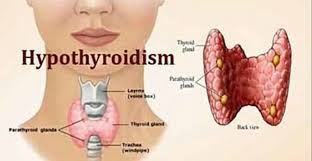
This breakthrough resulted in the identification of a molecule called TRH (thyrotropin-releasing hormone), which ultimately controls all the functions of the thyroid gland. In the following years, he and his colleagues isolated other molecules from the hypothalamus that control all functions of the pituitary gland—for instance, GnRH (gonadotropin-releasing hormone), a hypothalamic hormone that causes the pituitary to release gonadotropins, which in turn trigger the release of hormones from the testicles or ovaries. This discovery led to advancements in the medical treatment of infertility and is also used to treat prostate cancer.

Guillemin was born in Dijon, the capital of France’s Burgundy region, on January 11, 1924. He entered medical school at the Université de Bourgogne in 1943, receiving his MD from the Faculté de Médecine in Lyon (then under the same academic administration as his university in Dijon) in 1949. Although he enjoyed learning about medicine and would practice it for several years before committing to research full-time, much of Guillemin’s youth and college experience was wrought with challenges—not the least of which was the German occupation of France. “Dark years of no fun these were,” he wrote.

Earning his Doctor in Medicine required the composition and defense of a dissertation, something that Guillemin looked forward to doing. “I had always been interested in endocrinology,” said Guillemin. “[An MD thesis] was usually pro forma. I decided, however, to write a dissertation… that I would enjoy, hopefully on some work I could perform in a laboratory.” A challenge to his desire to conduct research was a dearth of lab access. “There was no laboratory facility of any sort in Dijon, except for gross anatomy.”

In a fortuitous turn of events, Hans Selye was lecturing in Paris. Selye was a fellow pioneer of endocrinology, and an eager Guillemin made the journey to hear him speak. “A few months later,” Guillemin said, “I was in Selye’s newly created Institute of Experimental Medicine and Surgery at the Université de Montréal.” Guillemin would go on to earn his PhD in physiology, with a special focus on experimental endocrinology, from the university in 1953.

Shortly after completing his PhD, Guillemin became an assistant professor of physiology at the University of Baylor College of Medicine. Once there, he began to pursue the identity of the chemical mediators of hypothalamic origin, which were primary suspects for controlling pituitary function in the brain.

Guillemin was a mentor to many future leaders in endocrinology and medical research while at Baylor, including Catherine and Jean Rivier and Wylie Vale, who would all follow Guillemin to Salk in 1970 and themselves become professors there.

In addition to the 1977 Nobel Prize, Guillemin was the recipient of numerous accolades for his work. These included the Gairdner International Award, the Dickson Prize, the Passano Award, the Lasker Award, and the President’s National Medal of Science, presented to him by then-President Jimmy Carter. He was also an elected member of the National Academy of Sciences (1974) and the American Academy of Arts and Sciences (1976). Guillemin’s native France recognized his contributions to science and health by naming him a Commander in the Legion of Honour, the country’s highest order of merit. He served as the Salk Institutes’s interim president from October 2007 to February 2009.

For all of his accomplishments, Guillemin was always quick to point out the contributions of the many people who worked alongside him. “I have had the extraordinary privilege to work with wonderful collaborators, some so much more knowledgeable in their own field than I was (or still am), all full of enthusiasm and sharing the common ethics of science,” he wrote as he reflected on achieving the Nobel Prize.

When asked in a September 2017 interview with the La Jolla Light what his philosophy in life was, Guillemin responded, “Help people. I really wanted to be a physician… [and] I knew all my efforts would be to help people.”

Up until his last few years of life, Guillemin was an active member of the La Jolla, California community and was an avid collector of French and American paintings and sculptures, as well as Papuan and pre-Columbian pottery.

Guillemin is survived by his five daughters, one son, four grandchildren, and two great-grandchildren. He was pre-deceased by his wife, Lucienne, a talented musician, who died at the age of 100 in 2021, after the couple was married for 69 years. Guillemin died on her birthday.


From https://www.salk.edu/news-release/salk-institute-mourns-the-loss-of-nobel-laureate-roger-guillemin-distinguished-professor-emeritus/

Study of SPI-62 in subjects with ACTH-dependent Cushing’s syndrome caused by a non-adrenal tumor

This is a randomized, placebo-controlled, study of SPI-62 in subjects with ACTH-dependent Cushing’s syndrome caused by a non-adrenal tumor.

Subjects will receive each of the following 2 treatments for 24 weeks: SPI-62 and matching placebo with the option of long-term extension.

Apply for this study at https://www.cancer.gov/research/participate/clinical-trials-search/v?id=NCI-2023-02543


Webinar: Webinar: Dr. Theodore Friedman (The Wiz) will giving a webinar on Updates on Treating Hypothyroidism


YOU’RE INVITED!  A4M/Metabolic Medical Institute (MMI) Webinar on Updates on Treating Hypothyroidism

Dr. Theodore Friedman (The Wiz) will giving a webinar on Updates on Treating Hypothyroidism

Topics to be discussed include:

  • New articles showing patients prefer desiccated thyroid
  • Moving away from a TSH-centered approach
  • New thyroid hormone preparations, including Adthyza
  • •Does biotin affect thyroid tests?
    •Hypothyroidism diet?
  • What is the difference between desiccated thyroid and synthetic thyroid hormones?
  • Is rT3 important?

Wednesday • August 2, 2023  • 4 PM PDT

register at https://us02web.zoom.us/webinar/register/WN_kRyqZFlrSgKj54CuK7OQqQ
Slides will be available on the day of the talk here.
There will be plenty of time for questions using the chat button.
For more information, email us at mail@goodhormonehealth.com

❣️ Happy 23rd Birthday Cushing’s Help!


It’s unbelievable but the idea for Cushing’s Help and Support arrived 23 years ago late last night. I was talking with my dear friend Alice, who ran a wonderful menopause site called Power Surge, wondering why there weren’t many support groups online (OR off!) for Cushing’s and I wondered if I could start one myself and we decided that I could.

Thanks to a now-defunct Microsoft program called FrontPage, the first one-page “website” (http://www.cushings-help.com) first went “live” July 21, 2000 and the message boards September 30, 2000.

All our Cushing’s-related sites:

Clinical Trial: SPI-62 as a Treatment for Adrenocorticotropic Hormone-dependent Cushing’s Syndrome (RESCUE)

Brief Summary:
This is a randomized, placebo-controlled, crossover study of SPI-62 in subjects with ACTH-dependent Cushing’s syndrome. Subjects will receive each of the following 2 treatments for 12 weeks: SPI-62 and matching placebo
Condition or disease  Intervention/treatment  Phase 
Cushing’s Syndrome ICushing Disease Due to Increased ACTH Secretion Cortisol ExcessCortisol; Hypersecretion Cortisol Overproduction Ectopic ACTH Secretion Drug: SPI-62 Drug: Placebo Phase 2

Detailed Description:
This is a multicenter, randomized, placebo-controlled, Phase 2 study to evaluate the pharmacologic effect, efficacy, and safety of SPI-62 in subjects with ACTH-dependent Cushing’s syndrome. Each subject who provides consent and meets all inclusion and exclusion criteria will participate in 3 periods: a 28-day screening period (Days -35 to -8), a 7-day baseline period (Days -7 to -1), and a 24-week treatment period (Day 1 of Week 1 to Day 168 ± 3 days of Week 24). Up to 26 subjects will be enrolled with the aim that 18 subjects with Cushing’s disease will complete the study. Subjects will receive each of the following 2 treatments for 12 weeks: SPI-62 and matching placebo.
Study Design
Go to  
Study Type  : Interventional  (Clinical Trial)
Estimated Enrollment  : 26 participants
Allocation: Randomized
Intervention Model: Crossover Assignment
Intervention Model Description: Staggered parallel crossover
Masking: Quadruple (Participant, Care Provider, Investigator, Outcomes Assessor)
Primary Purpose: Treatment
Official Title: SPI-62 as a Treatment for Adrenocorticotropic Hormone-dependent Cushing’s Syndrome
Actual Study Start Date  : March 1, 2022
Estimated Primary Completion Date  : March 15, 2023
Estimated Study Completion Date  : August 15, 2023

More info at https://clinicaltrials.gov/ct2/show/record/NCT05307328

🦓 Day 28, Cushing’s Awareness Challenge 2022

Over the years, we went on several Windjammer Barefoot Cruises.  We liked them because they were small, casual and were fairly easy on the wallet.

They sailed around the Caribbean to a variety of islands, although they sometimes changed itineraries depending on weather, crew, whatever.  One trip we were supposed to go to Saba but couldn’t make port.  A lot of people got off at the next port and flew home.

The captains were prone to “Bedtime Stories” which were often more fiction than true but they added to the appeal of the trip.  We didn’t care if we missed islands or not – we were just there to sail over the waves and enjoy the ride.

The last trip we took with them was about two years before I started having Cushing’s problems.  (You wondered how I was going to tie this together, right?)

The cruise was uneventful, other than the usual mishaps like hitting docks, missing islands, and so on.  Until it was a particularly rough sea one day.  I was walking somewhere on deck and suddenly a wave came up over the deck making it very slippery.  I fell and cracked the back of my head on the curved edge of a table in the dining area.  I had the next-to-the-worse headache I have ever had, the worst being after my pituitary surgery. At least after the surgery, I got some morphine.

We asked several doctors later if that hit could have contributed to my Cushing’s but doctors didn’t want to get involved in that at all.

The Windjammer folks didn’t fare much better, either. In October 1998, Hurricane Mitch was responsible for the loss of the s/v Fantome (the last one we were on).

All 31 crew members aboard perished; passengers and other crew members had earlier been offloaded in Belize.

The story was recorded in the book The Ship and the Storm: Hurricane Mitch and the Loss of the Fantome by Jim Carrier.  The ship, which was sailing in the center of the hurricane, experienced up to 50-foot (15 m) waves and over 100 mph (160 km/h) winds, causing the Fantome to founder off the coast of Honduras.

This event was similar to the Perfect Storm in that the weather people were more interested in watching the hurricane change directions than they were in people who were dealing with its effects.

I read this book and I was really moved by the plight of those crew members.

I’ll never know if that hit on my head contributed to my Cushing’s but I have seen several people mention on the message boards that they had a traumatic head injury of some type in their earlier lives.

🦓 Day 24, Cushing’s Awareness Challenge 2022

Because it’s a Sunday again, this is a semi-religious post…

After I was finished with the Cushing’s long diagnostic process, surgery and several post-op visits to NIH, I was asked to give the scripture reading at my church. The man who preached the sermon that week was the survivor of a horrific accident where he and his family were hit by a van while waiting at an airport.

I thought I had written down the scripture reading carefully. I practiced and practiced. I don’t like speaking in front of a crowd but I said I would. When I got to church, the reading was different from what I had practiced. Maybe I wrote it down wrong, maybe someone changed it. Whatever.

The real scripture turned out to be Psalm 116. I got very emotional while reading this and started crying when I got to verse 8 “For you, O LORD, have delivered my soul from death“.  Others in the congregation who knew part of my story were very moved, too.

psalm-116-1-4

Psalm 116 (New International Version)

1 I love the LORD, for he heard my voice;
he heard my cry for mercy.

2 Because he turned his ear to me,
I will call on him as long as I live.

3 The cords of death entangled me,
the anguish of the grave came upon me;
I was overcome by trouble and sorrow.

4 Then I called on the name of the LORD:
“O LORD, save me!”

5 The LORD is gracious and righteous;
our God is full of compassion.

6 The LORD protects the simplehearted;
when I was in great need, he saved me.

7 Be at rest once more, O my soul,
for the LORD has been good to you.

8 For you, O LORD, have delivered my soul from death,
my eyes from tears,
my feet from stumbling,

9 that I may walk before the LORD
in the land of the living.

10 I believed; therefore I said,
“I am greatly afflicted.”

11 And in my dismay I said,
“All men are liars.”

12 How can I repay the LORD
for all his goodness to me?

13 I will lift up the cup of salvation
and call on the name of the LORD.

14 I will fulfill my vows to the LORD
in the presence of all his people.

15 Precious in the sight of the LORD
is the death of his saints.

16 O LORD, truly I am your servant;
I am your servant, the son of your maidservant;
you have freed me from my chains.

17 I will sacrifice a thank offering to you
and call on the name of the LORD.

18 I will fulfill my vows to the LORD
in the presence of all his people,

19 in the courts of the house of the LORD—
in your midst, O Jerusalem.
Praise the LORD.

This Psalm has come to have so much meaning in my life. When I saw at a book called A Musician’s Book of Psalms each day had a different psalm. “My” psalm  was listed as the reading for my birthday, so I had to buy this book!  For a while, it was the license plate on my car.

I used to carry a print out of this everywhere I go because I find it very soothing. “when I was in great need, he saved me.” This print out is in a plastic page saver but now I have this info on my phone and iPad.

On the other side there is an article I found after my kidney cancer.  You can read that article in Fridays post.

🦓 Day 18, Cushing’s Awareness Challenge

Cushie Crusader, that’s me…and many others.  I think we all have an opportunity to be Cushie Crusaders every time we tell others about our illness, share our story on or offline, post about our struggles – and triumphs – on the message boards, write blog posts in this Cushing’s Awareness Challenge…

When we have prayer time in my handbell practice or choir rehearsals I try to mention issues that are going on in the Cushing’s community.  People are slowly but steadily learning about Cushing’s week by week.

A piano student mentioned that a person in a group she is in has Cushing’s, a non-Cushie friend mentioned last week that she had gone with a friend of hers to an endo appointment to discuss Cushing’s.

Get out there and talk about Cushing’s.  Let people know that it’s not just for dogs and horses (and sometimes ferrets)!

Here’s something I had made for Sue with SuperSue embroidered on the back.

Picture your name instead:

🎤 Archived Interview with Jayne, Ectopic Cushing’s Patient


Mary O’Connor (MaryO) hosted an interview with Jayne, a Cushing’s patient who had pituitary surgeries and a bilateral adrenalectomy before finding the true source of her ectopic Cushing’s.

Listen here.

HOME | Sitemap | Adrenal Crisis! | Abbreviations | Glossary | Forums | Donate | Bios | Add Your Bio | Add Your Doctor | MemberMap

🦓 Day 12, Cushing’s Awareness Challenge 2022

In March of 1987, after the endo finally confirmed that I had Cushing’s, I was sent to a local hospital where they repeated all those same tests for another week and decided that it was not my adrenal gland (Cushing’s Syndrome) creating the problem. The doctors and nurses had no idea what to do with me, so they put me on the brain cancer ward.

When I left this hospital after a week, we didn’t know any more than we had before.

As luck would have it, NIH (National Institutes of Health, Bethesda, Maryland) was doing a clinical trial of Cushing’s. I live in the same area as NIH so it was not too inconvenient but very scary at first to think of being tested there. At that time I only had a choice of NIH, Mayo Clinic and a place in Quebec to do this then-rare pituitary surgery called a Transsphenoidal Resection.

My husband asked my endo if it were his wife, if he would recommend this surgery.  The endo responded that he was divorcing his wife – he didn’t care what happened to her.  Oh, my!

I chose NIH – closest and free. After I was interviewed by the doctors there, I got a letter that I had been accepted into the clinical trial.

The night before I was admitted, I signed my will.  I was sure I was going to die there.  If not during testing, as a result of surgery.


The first time I was there was for 6 weeks as an inpatient. More of the same tests.

There were about 12 of us there and it was nice not to be alone with this mystery disease. Many of these Cushies (mostly women) were getting bald, couldn’t walk, having strokes, had diabetes. One was blind, one had a heart attack while I was there. Several were from Greece.

My first roommate was a nurse.  She spent the entire first night screaming in pain.  I was very glad when they moved me to a new room!

Towards the end of my testing period, I was looking forward to the surgery just to get this whole mess over with – either a cure or dying. While I was at NIH, I was gaining about a pound a day!

During the time I was home the weekend  before surgery, a college classmate of mine (I didn’t know her) DID die at NIH of a Cushing’s-related problem. I’m so glad I didn’t find out until reading the alumnae magazine a couple months later!  She was the same class, same major, same home-town, same disease…

We have a Scottish doctor named James Lind to thank for the clinical trial.  He  conducted the first ever clinical trial in 1747 and developed the theory that citrus fruits cured scurvy.  Lind  compared the effects of various different acidic substances, ranging from vinegar to cider, on groups of afflicted sailors, and found that the group who were given oranges and lemons had largely recovered from scurvy after 6 days.

I’d like to think that I advanced the knowledge of Cushing’s at least a little bit by being a guinea  pig in 1987-1989.

From the NIH: http://endocrine.niddk.nih.gov/pubs/cushings/cushings.aspx

Hope through Research

Several components of the National Institutes of Health (NIH) conduct and support research on Cushing’s syndrome and other disorders of the endocrine system, including the National Institute of Diabetes and Digestive and Kidney Diseases, the National Institute of Child Health and Human Development (NICHD), the National Institute of Neurological Disorders and Stroke, the National Cancer Institute, and the National Center for Research Resources.

NIH-supported scientists are conducting intensive research into the normal and abnormal function of the major endocrine glands and the many hormones of the endocrine system. Researchers continue to study the effects of excess cortisol, including its effect on brain structure and function. To refine the diagnostic process, studies are under way to assess the accuracy of existing screening tests and the effectiveness of new imaging techniques to evaluate patients with ectopic ACTH syndrome. Researchers are also investigating jugular vein sampling as a less invasive alternative to petrosal sinus sampling. Research into treatment options includes study of a new drug to treat the symptoms of Cushing’s syndrome caused by ectopic ACTH secretion.

Studies are under way to understand the causes of benign endocrine tumor formation, such as those that cause most cases of Cushing’s syndrome. In a few pituitary adenomas, specific gene defects have been identified and may provide important clues to understanding tumor formation. Endocrine factors may also play a role. Increasing evidence suggests that tumor formation is a multistep process. Understanding the basis of Cushing’s syndrome will yield new approaches to therapy.

The NIH supports research related to Cushing’s syndrome at medical centers throughout the United States. Scientists are also treating patients with Cushing’s syndrome at the NIH Clinical Center in Bethesda, MD. Physicians who are interested in referring an adult patient may contact Lynnette Nieman, M.D., at NICHD, 10 Center Drive, Room 1-3140, Bethesda, MD 20892-1109, or by phone at 301-496-8935. Physicians interested in referring a child or adolescent may contact Constantine Stratakis, M.D., D.Sc., at NICHD, 10 Center Drive, Room 1-3330, Bethesda, MD 20892-1103, or by phone at 301-402-1998.