MaryO’Note: This is really basic information. Maybe News 9 should have checked with a doctor who has actually been diagnosed with Cushing’s or at least tested for it!
~~~~~~~~~~~~~~~~~~~~~~~
In our Daily Dose, a viewer is asking about hormone problems that can cause your face to become round. Dr. Lacy Anderson joined News 9 to explain how some hormone disorders, like Cushing syndrome work.
Cushing’s syndrome is a rare disorder caused by the body making too much cortisol over a long period of time. It can be caused by a tumor of the adrenal gland, which makes cortisol, or it can be caused by a tumor of the pituitary gland, which controls the adrenal gland.
Cushing’s syndrome can cause a rounded face, known as a moon face. It can cause weight gain and fat deposits on the upper back, known as a buffalo hump. It can also cause stretch marks on the abdomen. It can cause high blood pressure, and high blood sugar, and increase the risk of cataracts and osteoporosis. Occasionally, Cushing’s syndrome can be caused by long-term, high-dose steroid use.
For pituitary or adrenal tumors, surgery can cure this condition. I’ve had several patients wanting me to check their cortisol levels recently, so this condition may have hit social media feeds, but I’ve never diagnosed Cushing’s syndrome because it’s so rare. I can usually take one look at my patients and reassure them that they don’t have Cushing’s syndrome.
For me, it’s more that one day out of the year. Each and every day since 1987, I tell anyone who will listen about Cushing’s. I pass out a LOT Cushing’s business cards and brochures.
Adding to websites, blogs and more that I have maintained continuously since 2000 – at mostly my own expense.
Talking to anyone who will listen about Cushing’s. I was delighted recently to meet a non-endo doctor at a clinic who actually knew about Cushing’s!
~~~
Why am I so passionate about Rare Disease Day?
I had Cushing’s Disease due to a pituitary tumor. I was told to diet, told to take antidepressants and told that it was all my fault that I was so fat.
My pituitary surgery in 1987 was a “success” but I still deal with the aftereffects of Cushing’s and of the surgery itself.
Even after my successful surgery at the National Institutes of Health (NIH), a new doctor told me I had wasted my time. Cushing’s wasn’t real.
I also had another Rare Disease – Kidney Cancer, rare in younger, non-smoking women.
The Aisha Adamu Fari Foundation has emphasised the need for increased investment in raising awareness about early detection and treatment of Cushing’s Syndrome to contain the disease.
The Foundation’s CEO, Ms Aisha Fari, said this during the inaugural ‘Walk Against Cushing’s Syndrome’, organised with support from ASPI, ABVIG and other partners in Abuja.
Fari, a public health expert and Cushing’s Syndrome survivor, urged the Federal Government to prioritise research into diagnosing rare diseases such as Cushing’s Syndrome to deepen understanding.
She described Cushing’s Syndrome as a hormonal disorder caused by prolonged exposure to high cortisol levels, often due to medication, tumours, or chronic emotional stress.
According to her, few people are aware of Cushing’s Syndrome, hence the importance of promoting early detection and prevention across the country.
Fari said, “Poor awareness makes diagnosis difficult, as advocacy is limited and even doctors frequently misdiagnose the condition.
“There’s a need to support individuals with Cushing’s Syndrome and other rare diseases. People are suffering in silence. We need government backing in research and treatment.”
She recounted her experience, stating a misdiagnosis caused life-threatening symptoms and emotional strain in managing the unfamiliar condition.
Fari highlighted symptoms such as high blood pressure, dizziness, and weakness, adding that loud sounds triggered anxiety and affected her mental wellbeing.
In a separate interview, Fari’s mother, Mrs Safiya Koko, said treating the illness was financially challenging for the family.
She explained the family turned to online research to identify and understand Cushing’s Syndrome, as most doctors were unfamiliar with the condition.
“We relied on internet searches because doctors couldn’t diagnose it, until we eventually met an endocrinologist who helped us understand the situation,” she said.
She appealed to the government to increase awareness of this rare disease, which many — including doctors — find difficult to diagnose.
“We need government support to ensure this disease becomes well-known, not only in Nigeria but internationally,” she added.
She also recommended a strict diet rich in protein, magnesium, and calcium as part of managing Cushing’s Syndrome. (NAN)(www.nannews.ng)
This is a fun opportunity for the rare disease community in each region and state to get together before Rare Disease Week to foster community and camaraderie. Whether you are new or a veteran of the rare disease community, there will be something for everyone. We want to take time to get together socially before the excitement of Rare Disease Week! See below for details on the virtual session in YOUR region.
Please note that you will be prompted to select which Meet and Greet session below you would like to attend once you reach the checkout page. One session per attendee. Please choose the session with the state from where you are located. Please note the time zone!
Virtual Regional Meet and Greet Sessions:
January 11 at 5-6 pm PST: AK, AZ, CA, CO, HI, ID, MT, NV, NM, OR, UT, WA, WY, U.S. Territories
January 11 at 6-7 pm CST: AR, IL, IN, IA, KS, MI, MN, MO, NE, ND, OK, SD, WI
January 13 at 6-7 pm CST: AL, FL, GA, KY, LA, MS, OH, SC, TN, TX, WV
January 13 at 6-7 pm EST: CT, DC, DE, ME, MD, MA, NH, NJ, NY, NC, PA, RI, VT, VA
No prior experience necessary. Registration for this event and all RDLA events are free for rare disease advocates.
RAFFLE DETAILS: To be entered to win the raffle, registration AND attendance to one Regional Meet and Greet 2022 session is required. Only one winner per session. No repeat winners for attending multiple sessions.
This is NOT registration for Rare Disease Week. If you have not registered for Rare Disease Week and would like to please click here.
NORD is the U.S. sponsor for Rare Disease Day on Feb. 28. The annual awareness day spotlights approximately 7,000 rare diseases that affect more than 300 million people worldwide. More than 25 million Americans and their families are believed to be affected by rare diseases.
Participants are encouraged to light or decorate their homes in blue, green, pink, and purple at 7 p.m. local time on Feb. 28. (Blue should be used if only one color is possible.) NORD suggests using NovaBright to light up a building, monument, home, or neighborhood in these rare disease colors.
To join the Light Up for Rare campaign, sign up here. Participants should complete the applications required by the landmarks they pledge to light up, which could include historic buildings and homes, schools and universities, businesses, stadiums, bridges, and monuments. A downloadable template requestis available to ask cities and buildings to participate in the initiative.
Once requests are approved, participants should inform NORD so the organization can track the buildings that will be illuminated for Rare Disease Day.
Light Up for Rare is part of the Global Chain of Lights campaign, which aims to unite the rare disease community across the globe and symbolically break the isolation caused by the COVID-19 pandemic.
The European Organization for Rare Diseases (EURORDIS), NORD’s counterpart in Europe, is coordinating the Feb. 28 awareness day there along with several patient advocacy groups. On leap years, Rare Disease Day falls on Feb. 29, the rarest day of the year.
Download the Light Up for Rare toolkit here. Information on how to illuminate a building can be found here.
The general public, as well as caregivers, healthcare professionals, researchers, clinicians, policymakers, and industry representatives are encouraged to participate in Rare Disease Day advocacy and events. Other toolkits and resources for Rare Disease Day are available here.
After buildings and landmarks are lit up in Rare Disease Day colors, participants are encouraged to share photos and videos on social media. Please use the #RareDiseaseDay and #ShowYourStripes hashtags so the efforts can be spotlighted.
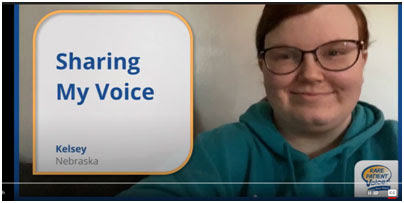
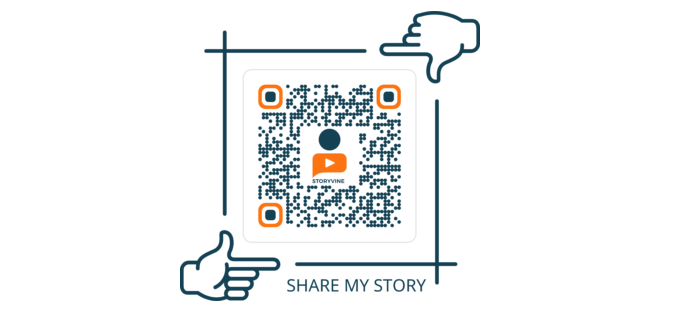
Please help us spread the word to other patients and caregivers about Rare Patient Voice by submitting a short video about your experience with us. Using the Storyvine app, recording a video on your phone is quick, easy, and fun! Videos will be featured on our website, on social media, and in newsletters.
Step 2: Download the Storyvine app from the App Store or Google Play
Step 3: Film and upload your video!
To thank you for recording a video, we will send you a Rarity zebra plushie AND enter you in a raffle to win a $100 Amazon gift card. Congratulations to Stacy of South Carolina, our December 1 raffle winner! Our next raffle will be held in early January.
The conference brings together patients, families, healthcare professionals, and other supporters for learning, sharing, and connecting.
Due to the ongoing COVID-19 pandemic, the general sessions, breakout workshops, and networking will again be virtual. The sessions, which will offer perspectives from patients, caregivers, and the medical community, will air live and be recorded for later viewing. Throughout the forum, participants will be able to visit the exhibit hall and have peer meetings with other attendees.
Also this year, the Rare Impact Awards will return as part of the program. That presentation, on June 28, honors individuals, organizations, and industry innovators for exceptional work benefitting the rare disease community.
“The health and well-being of people living with rare diseases, their loved ones and those working to improve their lives continues to remain a top priority for all of us here at NORD,” the organization stated in its forum announcement.
“The COVID-19 pandemic brought us new ways to engage with our community and our 2020 virtual program was the most successful forum to date! In 2021 we will continue to work hard to keep our community healthy and safe while engaging in this impactful program,” NORD said.
Registration for the “patient-centric” event is $39 for patients, caregivers, students, and NORD patient organization representatives. The cost is $75 for professional advocates, people from academia, physicians, and government representatives, and $500 for NORD corporate council members. For pharmaceutical, insurance, or other representatives, registration is $650.
As for the agenda, the opening discussion will be on “The Patient-Professional Partnership” and will include three stories on the close bond between patients and their care professionals.
Breakout sessions for Saturday, June 26 will include “Coping with Grief and Anticipatory Grief,” “Shared Decision-Making with Your Care Team,” and “Working While Rare” as first offerings, followed by “Getting Involved in Clinical Research: Finding and Preparing for Clinical Trials,” “Navigating Insurance, Social Security Disability and Patient Assistance Programs,” and “The ABCs of Advocating for Your Child’s Education” in the second group of workshops.
Those will be followed by a plenary discussion on the topic “Building Resilience in a Time of Unknowns.” The speakers will explore how patients coped while waiting for a diagnosis, how they are faring while waiting for new treatments, and how they have kept it together during the pandemic.
June 27 will start with an opening plenary discussion titled “The Rare Sibling Experience.” Here, three siblings of rare disease patients will share their experiences, including how they became advocates.
Breakout sessions on this day will include “Fighting Back and Fighting Forward Through Advocacy,” “Palliative Care: Debunking the Myths,” “Rare in the Family: Navigating the Roles of Patient, Parent, and Caregiver” in the first set of discussion groups. Later offerings that Sunday will include “Aging with a Rare Condition,” “Finding Your Community and Building Your Support Network,” and “The Intersection of Race, Ethnicity, and Equity with Diagnosis and Treatment Access.”
The closing plenary discussion, titled “Rare Breakthroughs Now and on the Horizon,” will cover the latest advances in the diagnosis, treatment, and care of rare diseases.
Early this year, NORD put out a call out for individuals who were willing to share their real-life experiences with rare diseases at the conference. In all, including physicians, nurses, and other healthcare professionals, the conference will feature some 55 speakers. Access to the virtual program will be provided via email the week of the event.
Thanks as always for your participation! Please be aware that by entering this information you are not guaranteed that you will be selected to participate. As always, we do not share any of your contact information without your permission.
For me, it’s more that one day out of the year. Each and every day since 1987, I tell anyone who will listen about Cushing’s. I pass out a LOT Cushing’s business cards and brochures.
My husband also passes out cards and brochures.
Adding to websites, blogs and more which I have maintained continuously since 2000 – at mostly my own expense.
I had Cushing’s Disease due to a pituitary tumor. I was told to diet, told to take antidepressants and told that it was all my fault that I was so fat. My pituitary surgery in 1987 was a “success” but I still deal with the aftereffects of Cushing’s and of the surgery itself.
I also had another Rare Disease – Kidney Cancer, rare in younger, non-smoking women.